
Wild is the Real Luxury
The cultural heritage of wild ingredients
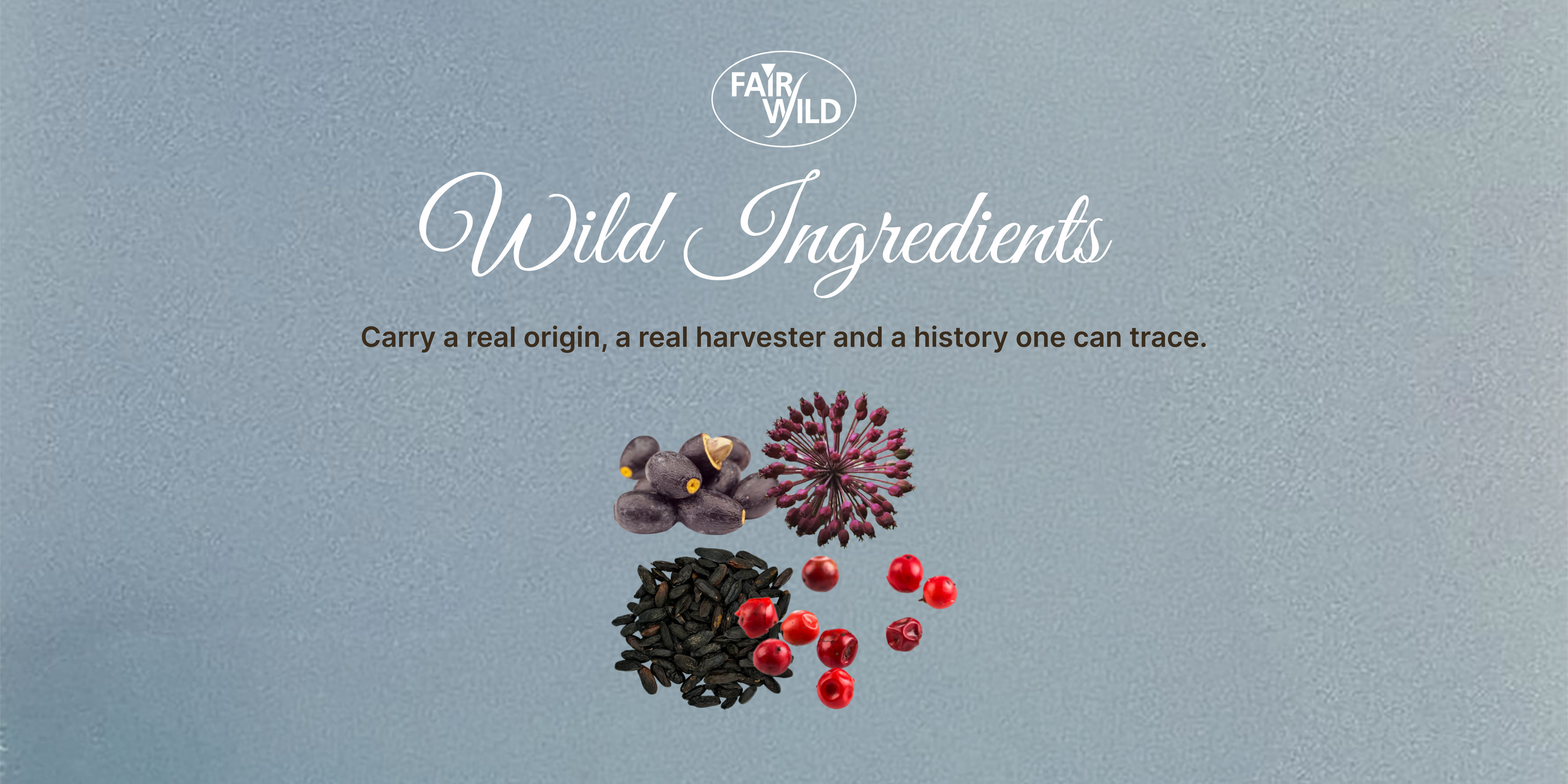
Wild ingredients carry a real origin, a real harvester and a history one can trace. A tear of frankincense from an Omani wadi, a spikenard root dug in the Himalayas or a drop of elemi resin from a Philippine forest carry a place, a season and generations of knowledge about when and how to harvest it.
That is why wild sourcing is moving from the margins of perfumery to its centre. Not as a replacement for synthetics, but as the part of a formula that no laboratory cannot recreate: heritage.
A natural material can contain hundreds of odorant molecules, which gives a depth and binding effect perfumers find difficult to rebuild. Science backs the idea that wild plants often smell richer. Wild carnation species keep a strong fragrance that cultivated carnations have largely lost, because breeding favoured looks over scent.
Frankincense
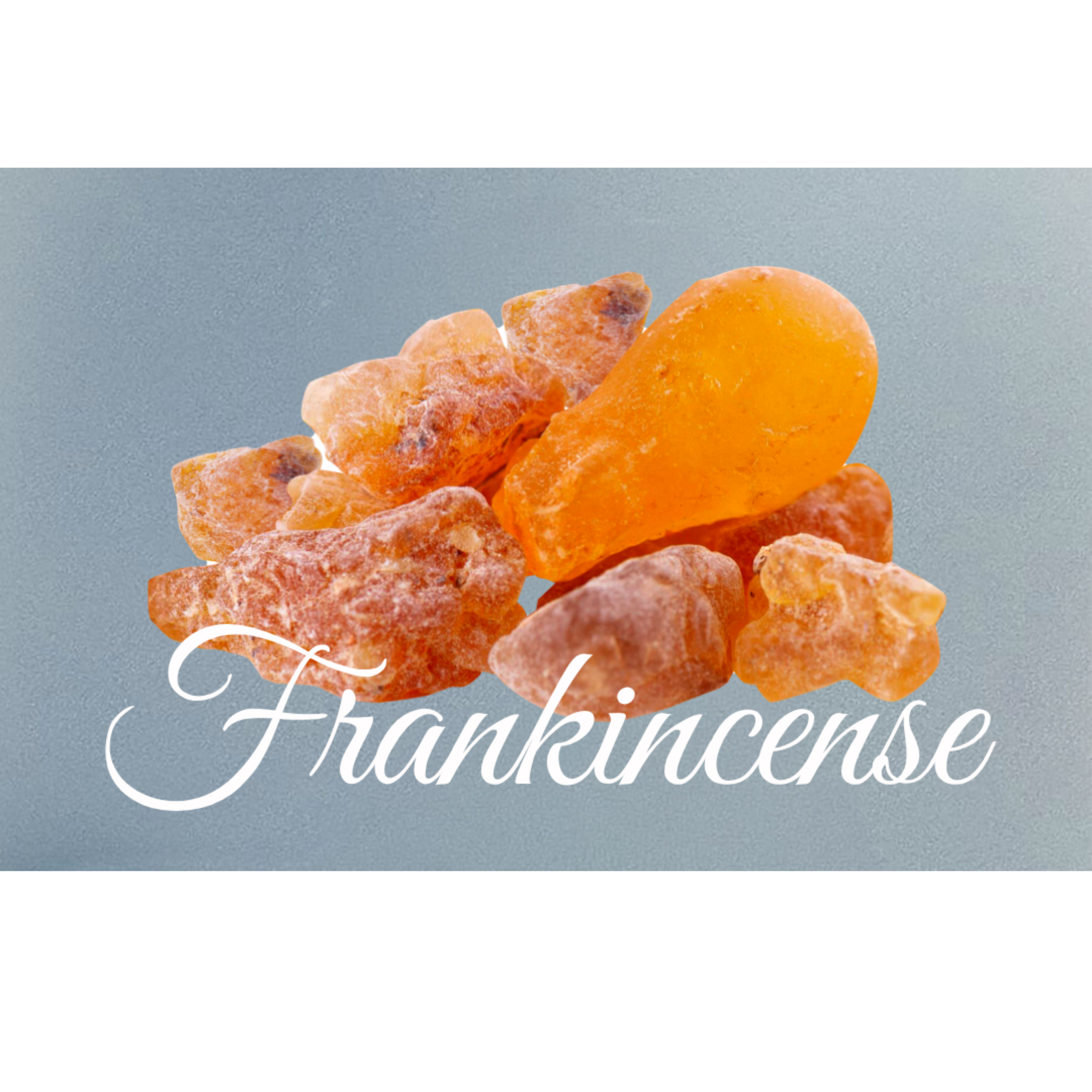
The resin trade from the Arabian Peninsula and the Horn of Africa is often described as the oldest global supply chain of all. In Oman's Wadi Dawkah, part of UNESCO's Land of Frankincense, wild trees have been tapped for generations, some over a century old, under a harvesting system that stayed largely unchanged for close to 3,000 years. In 2025, Amouage's harvest there became the first in the Arabian Peninsula to earn FairWild certification, protecting biodiversity and harvesters' rights.
Myrrh/opoponax
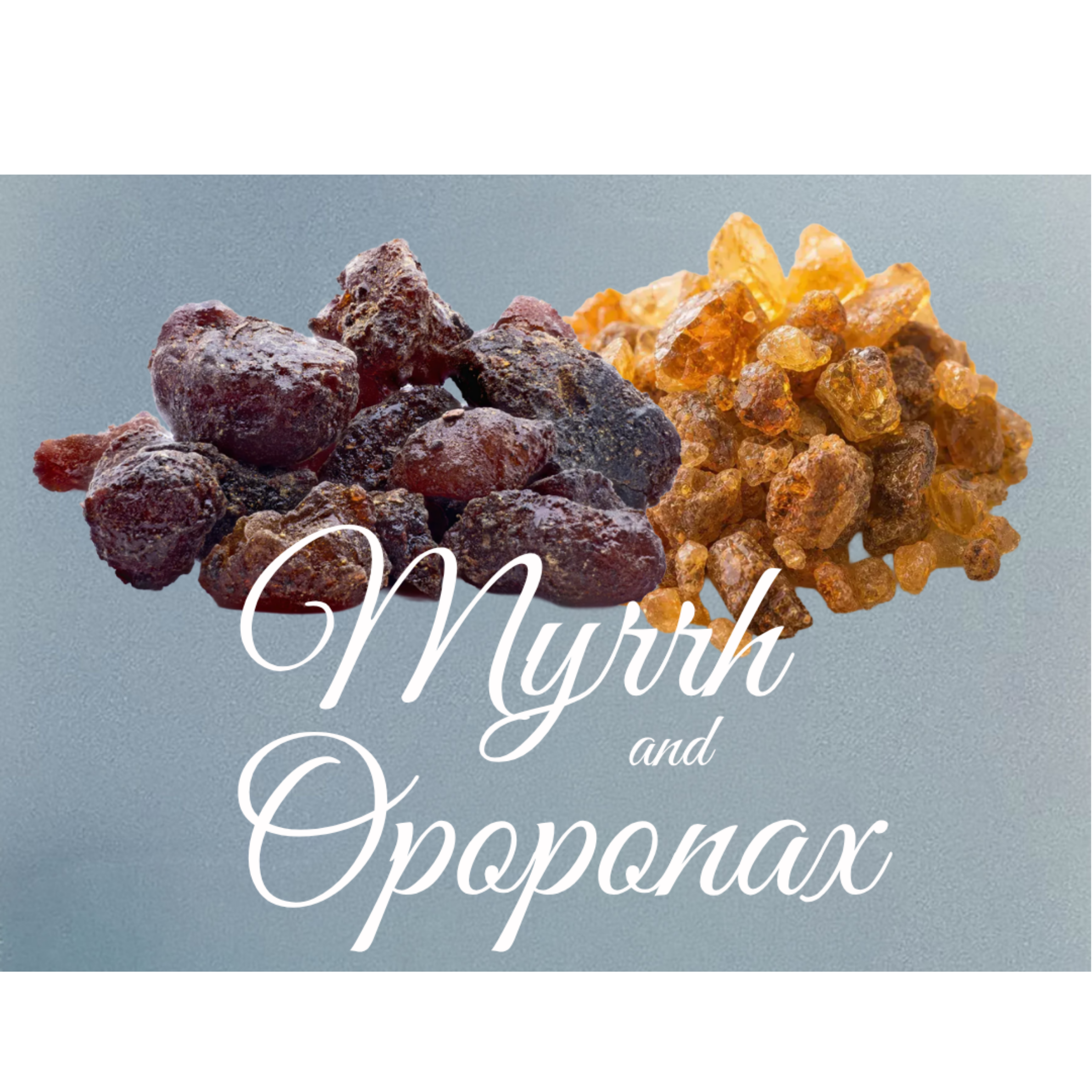
Frankincense's age-old companions grow wild in the Boswellia and Commiphora forests of Somalia's Puntland, where generations of families have tended the trees and tapped their resins.
Spikenard
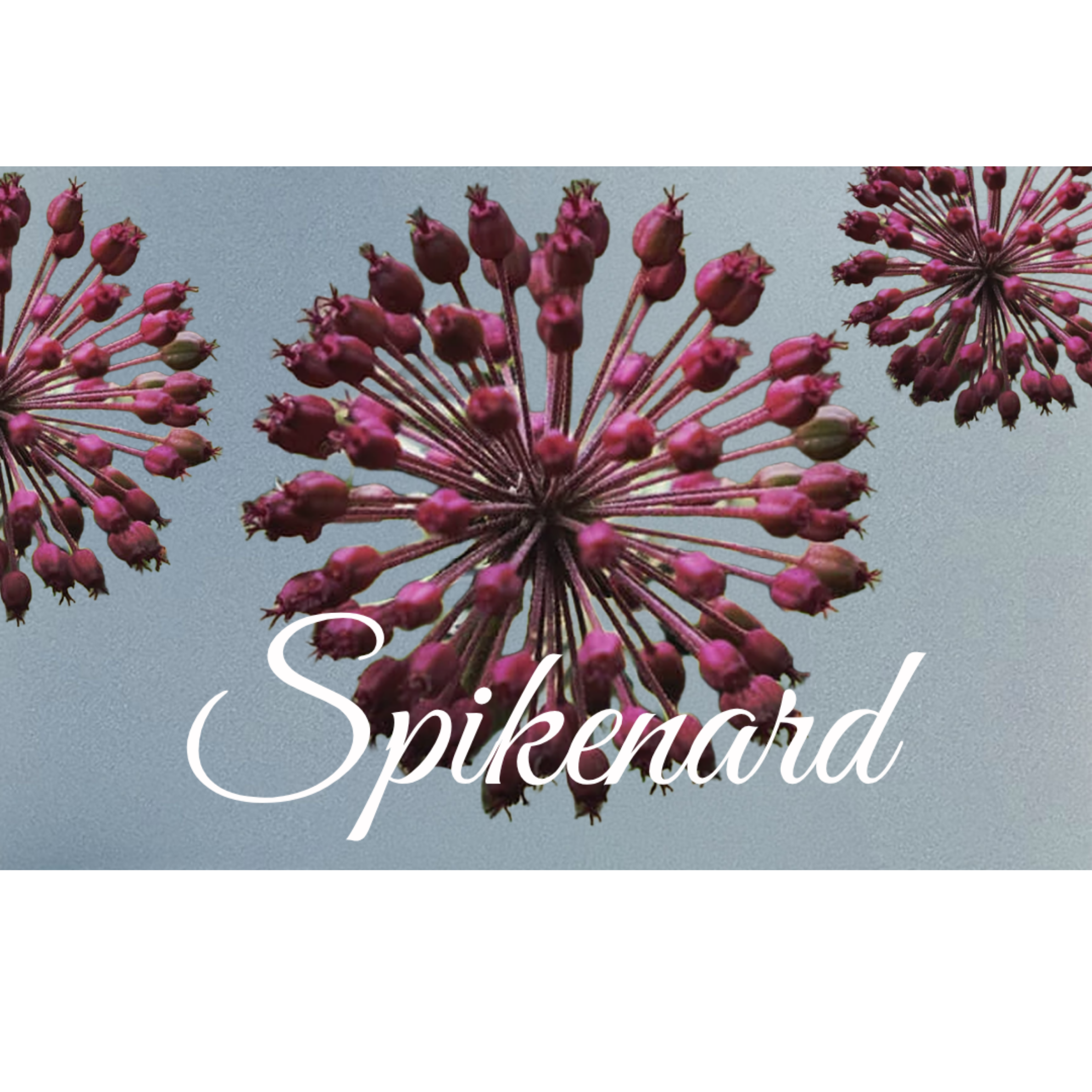
Known as jatamansi, this Himalayan root has been prized for millennia and is even mentioned in the Bible. Harvesters in remote high-altitude communities of Nepal still dig it from the wild and distill it into an earthy, woody oil valued in perfumery.
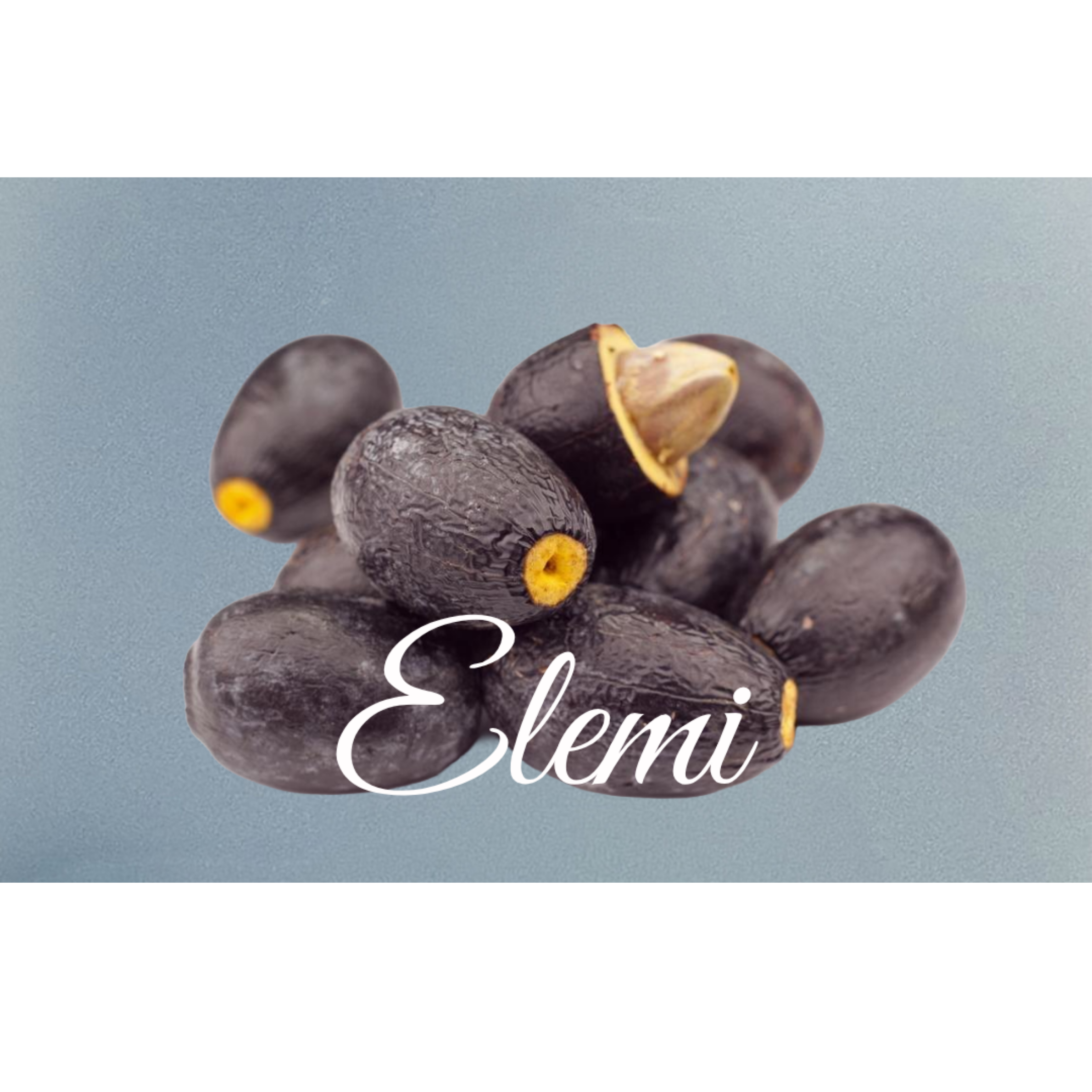
Elemi
In the Philippines, skilled harvesters cut careful incisions into the bark of wild Canarium luzonicum trees and collect the fragrant resin that seeps out. The craft lies in tapping without harming the tree, so it can keep producing resin. Elemi's scent bridges lemon-peel freshness and warm, peppery balsamic notes.
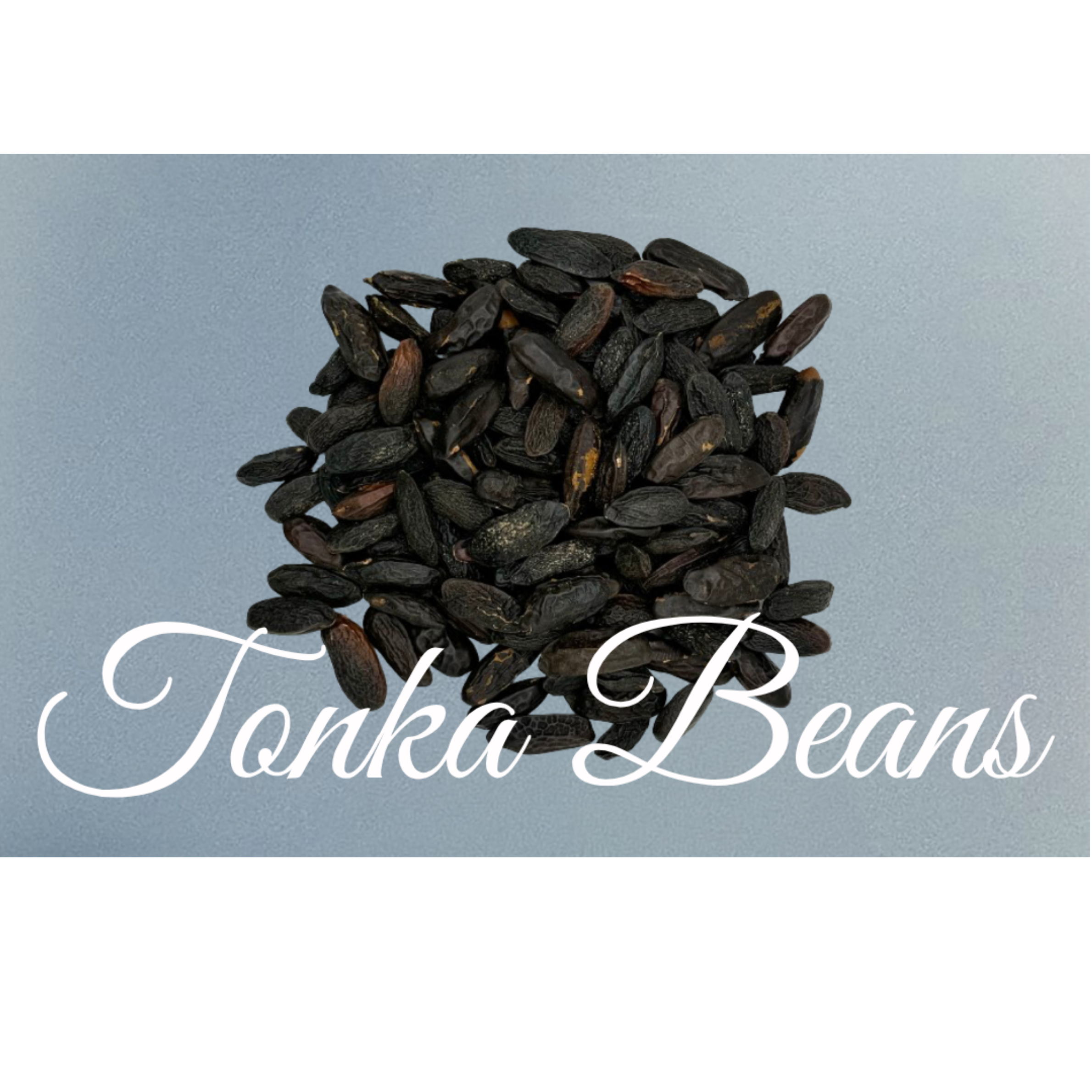
Tonka bean
In the Amazonian rainforest of Venezuela, tonka is gathered from wild sarrapia trees rather than plantations. The seasonal harvest is an important income for rural communities and gives them a reason to keep the forest standing. Its warm blend of vanilla, almond and hay anchors countless amber and gourmand perfumes.
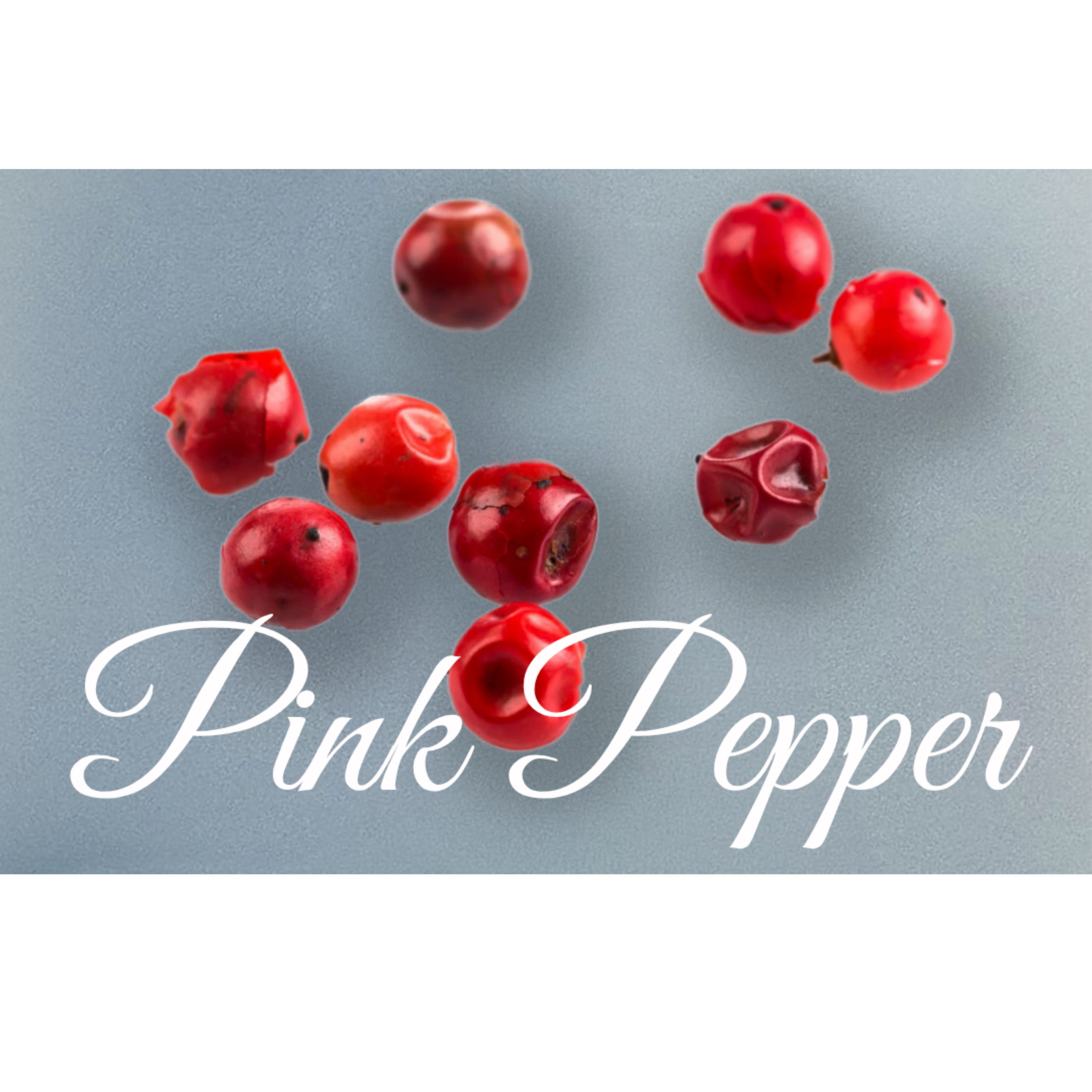
Pink pepper
Not a true pepper at all, these berries from wild Schinus terebinthifolia in South Africa, where this South American shrub has naturalised, give perfumery a softer, more sparkling spice with citrus and green facets.
The Human Legacy Behind the Harvest
Like wine, aromatic plants reflect their terroir: the same lavender smells different when grown in France versus California, as its 100-plus constituents adapt to soil and climate. Industrial blending smooths those distinctions. A wild ingredient does the opposite: it offers the unblended signature of one landscape.
However, a wild ingredient's real heritage lies with the people who harvest it. Over the last two decades, demand for wild plant ingredients has risen by more than 75% in value, while 60–90% of medicinal and aromatic plant species in trade are still wild-harvested. This pressure impacts both plants and communities, as traditional harvesting knowledge is usually collective and oral, leaving it unprotected by standard patents or copyright.
When the harvesters disappear, that knowledge goes with them–and once lost, it cannot be resynthesised. Certification allows a wild ingredient to name its landscape, honour its harvesters, trace its history, and prove its origin.
None of this makes wild ingredients inherently better than synthetics; no hierarchy exists between the two. Synthetics provide a fragrance with its structure and performance. Wild ingredients give it what no lab can: a living link to a place, a people and thousands of years of human knowledge.