Global Shea Alliance (GSA) has welcomed the FairWild Foundation as its newest member, marking a shared commitment to protecting biodiversity, empowering local communities and advancing ethical trade within the shea industry.
Read More
Global Shea Alliance (GSA) has welcomed the FairWild Foundation as its newest member, marking a shared commitment to protecting biodiversity, empowering local communities and advancing ethical trade within the shea industry.
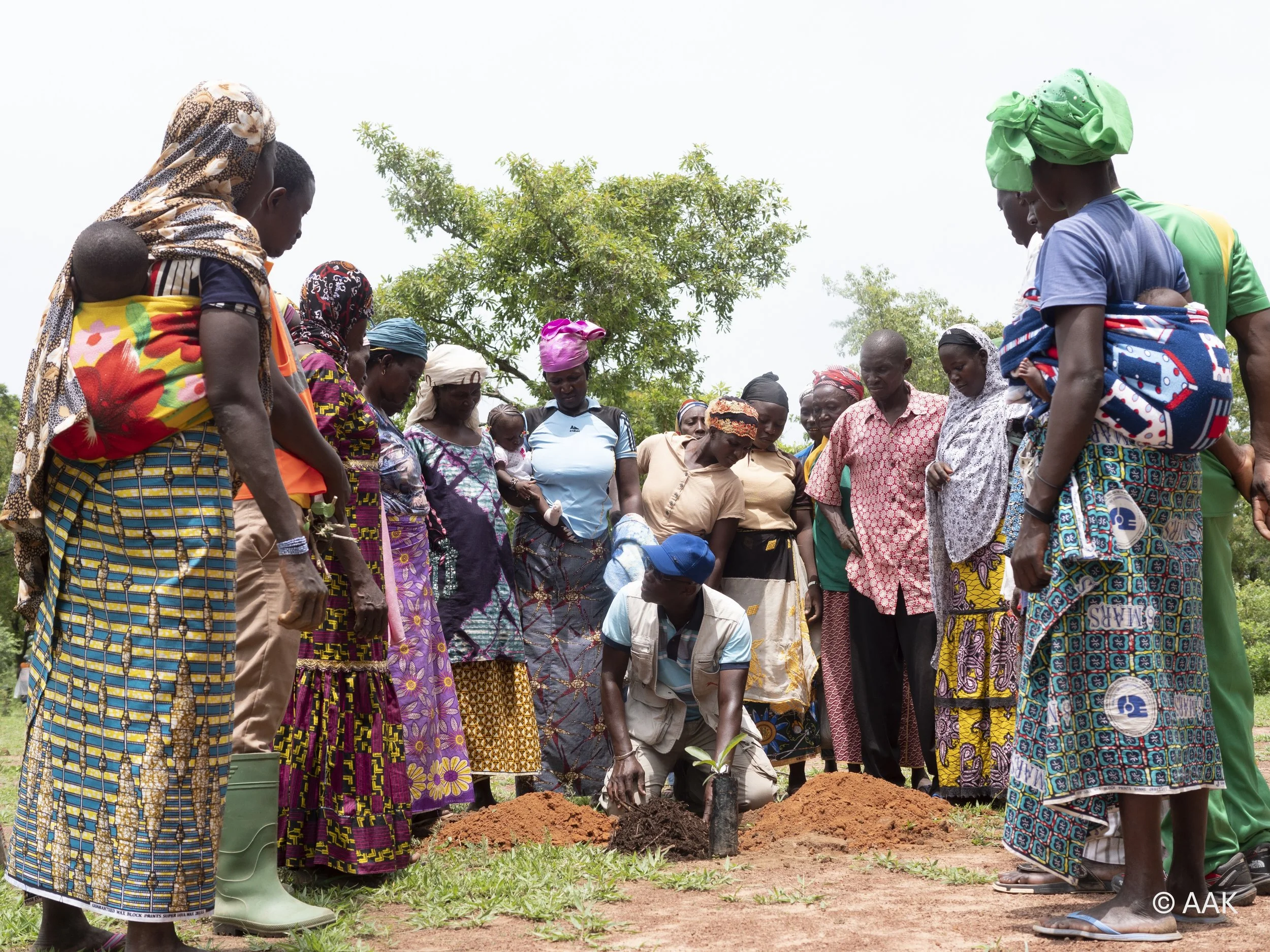
Read MoreAAK, a global leader in impact-driven shea sourcing, partnered with FairWild to benchmark its Kolo Nasofo program against the FairWild Standard for wild plant collection.
Every FairWild-certified ingredient can be traced back to the landscapes it comes from and the hands that harvest it. Here are seven ways you can trust the FairWild Label.
Read MoreFriends of FairWild offers those outside wild-harvested supply chains a meaningful way to support our work with wild harvesters.
Read MoreFairWild Microenterprise Audits are a streamlined, remote-audit process designed for small wild-harvest operations producing lower volumes of material and managing smaller land areas.
Read MoreAmouage is proud to announce that the team at Wadi Dawkah has received a ground-breaking recognition, a first of its kind in Oman: FairWild, an internationally respected standard providing third-party certification in the field of wild ingredient sourcing, has officially certified that the harvest at Wadi Dawkah is conducted in full compliance with the highest global standards for sustainability, ethics, and transparency.
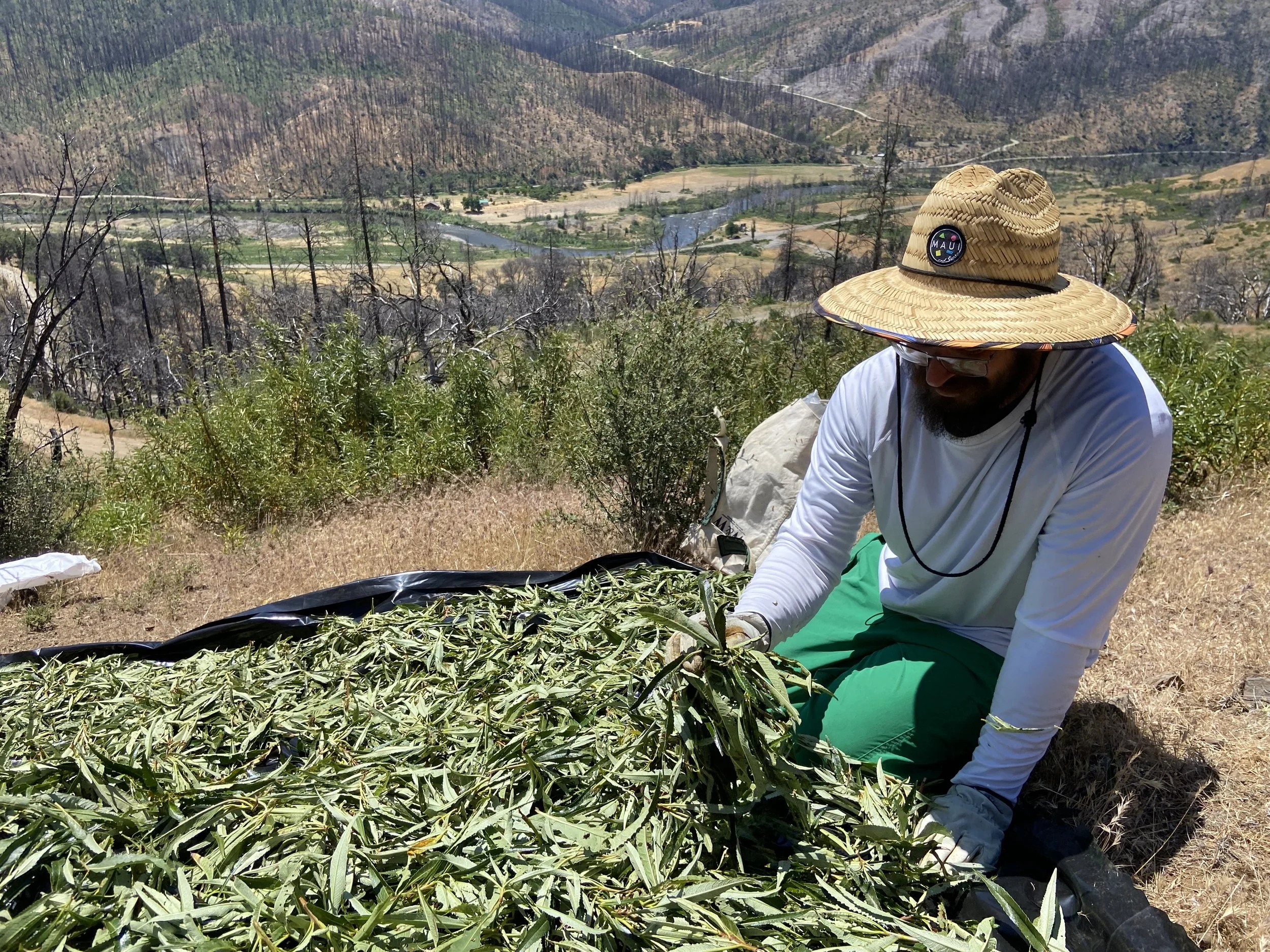
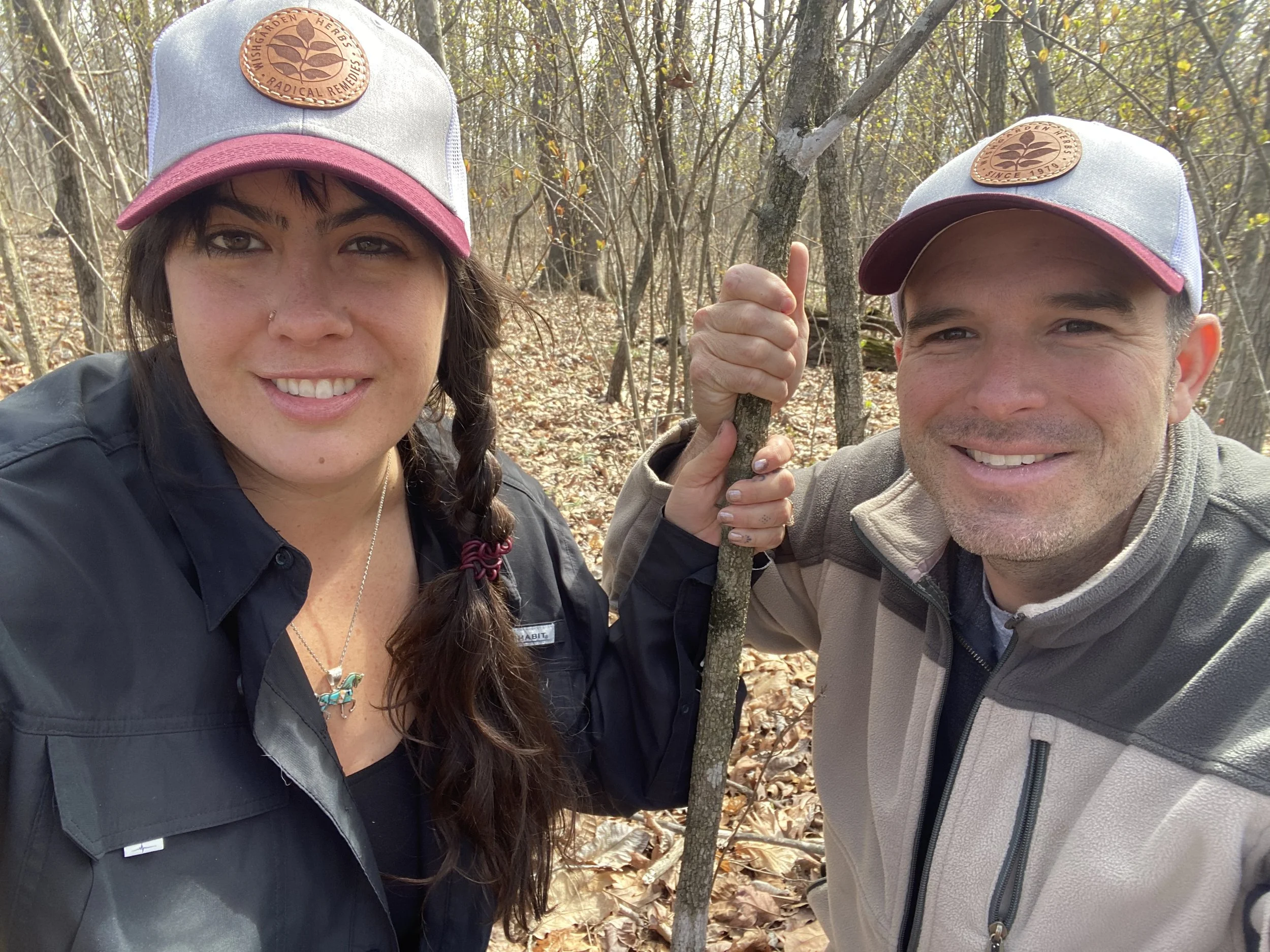
Read MoreLauren Ann Nichols-Sheffler, WishGarden’s Senior Sourcing & Purchasing Manager, has been working to bring a higher level of integrity to the herbal supply chain, and a key step has been sponsoring Morgan Ginseng & Herbs as the first North American FairWild-certified wild harvester.
Read MoreFairWild's 2024 Impact Report is a powerful reflection of our collective journey towards a world where biodiversity, people, and businesses thrive in harmony. The report highlights our ongoing efforts to deepen our commitment to a fair and sustainable future for wild plant resources, guided by our core pillars of Nature, People, and Business
Read MoreWe are proud to introduce Namib Desert Oils as another one of our stand partners at in-cosmetics Global in Amsterdam (8–10 April 2025). Here is a story from the collectors of the ingredients that make the incredible products to be showcased at the event.
Read MoreOur latest report, Ethical Elegance: Exploring the world of wild-harvested cosmetics ingredients demonstrates how FairWild certification has transformed supply chains, marketing strategies, and sustainability efforts in the cosmetics sector.
Read MoreOur very fast Impact Report 2023 begins to tell the story of what has changed for nature, people, and businesses as a result of our work last year.
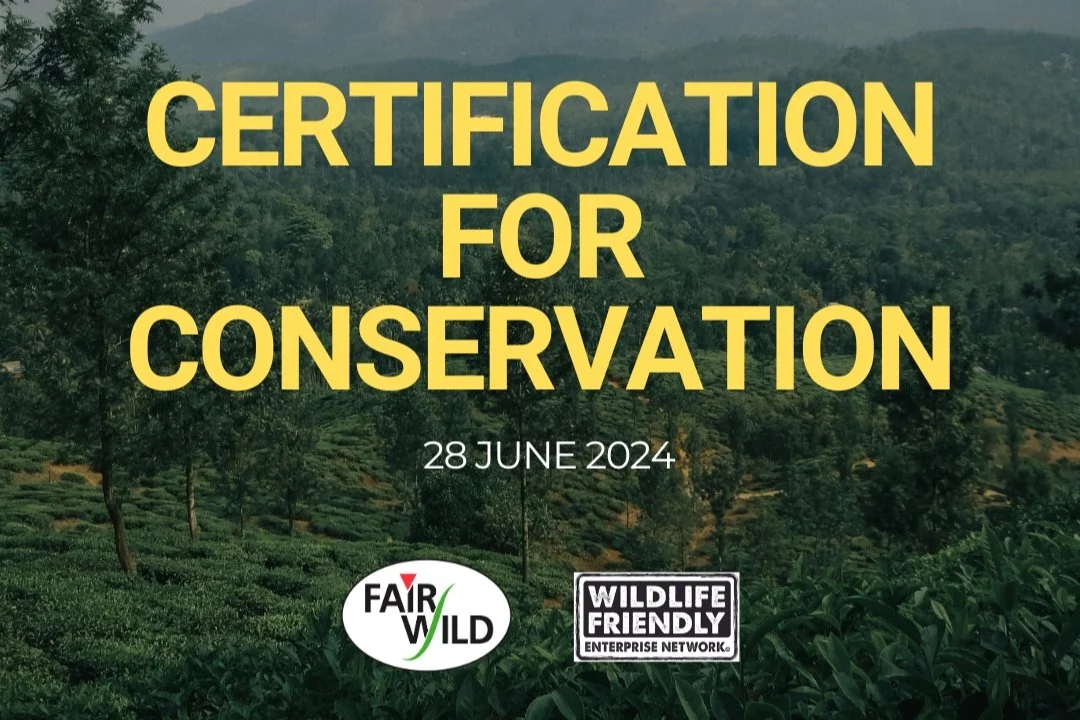
Read MoreCome and join us virtually or in person on the 28th of June to unlock the power of the wild by hearing from voices of projects around the globe
82 Businesses Embrace FairWild Week, Showcasing Commitment to Biodiversity and Ethical Trade
Join us at BIOFACH2024
Read MoreLess complex, more practical, and user-friendly, with a broader scope of ingredients,. The FairWild Standard V.3. is here.
Read MoreWe are currently seeking two Regional Business Development Representatives to lead on FairWild business growth in key regions (North America and Europe).
Read MoreWe are currently seeking a Business Development Manager to lead on our core industry engagement activities.
Read MoreWith the joint purpose of protecting biodiversity through economic, environmental, and social sustainability, FairWild and Wildlife Friendly, are now officially collaborating.
Read MoreOur very fast Impact Report begins to tell the story of what has changed for nature, people, and businesses as a result of our work last year.
Read MoreTo join FairWild Week, simply follow the mantra: Create, Share, Repeat!
Together, let us harness the power of the wild to protect our natural heritage, support communities, and preserve the knowledge and resources for generations to come.
Read More